The physician makes a request
Analyze the prescription for this 82-year-old patient with renal impairment and suggest adjustments if needed


.png)






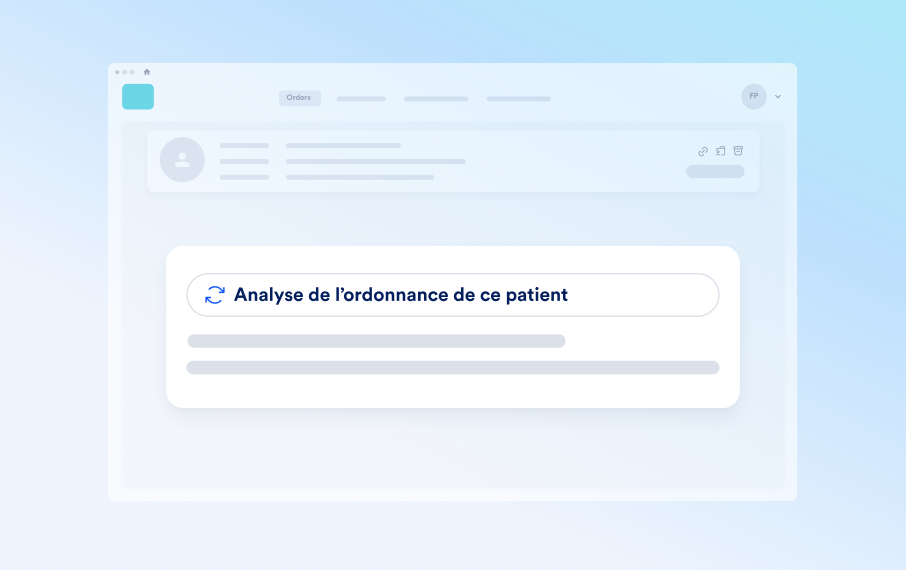
Analyze the prescription for this 82-year-old patient with renal impairment and suggest adjustments if needed
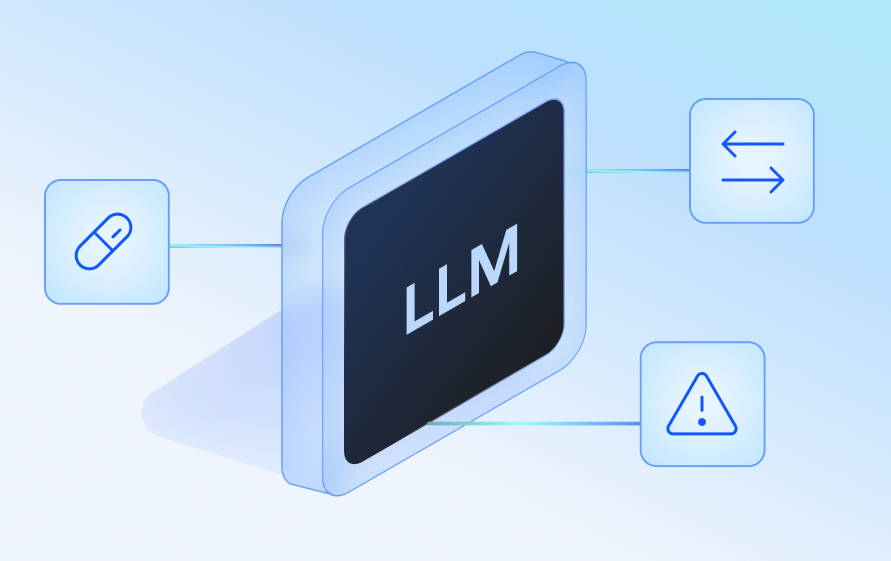
Based on the protocol you've defined, it selects the relevant APIs: interaction checking, profile-based dosage adjustment, alternative suggestions.
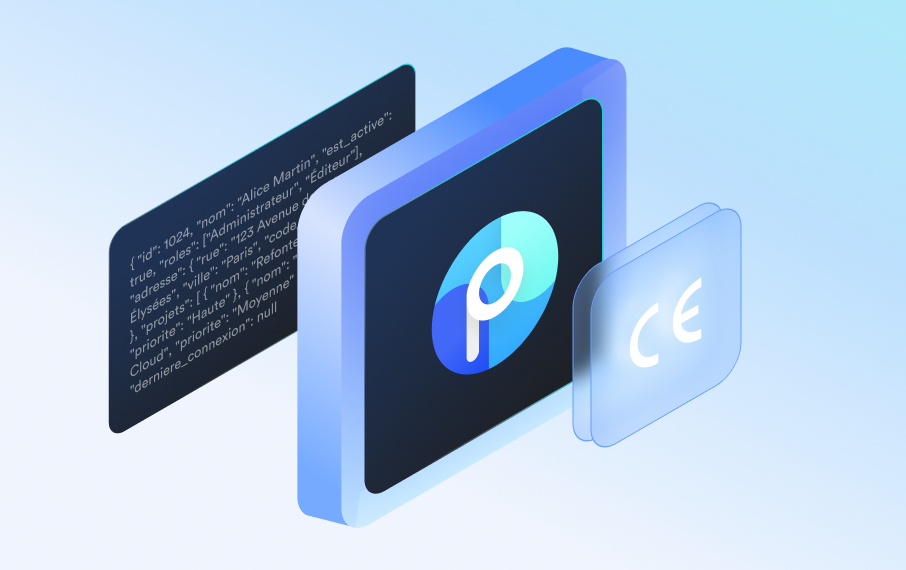
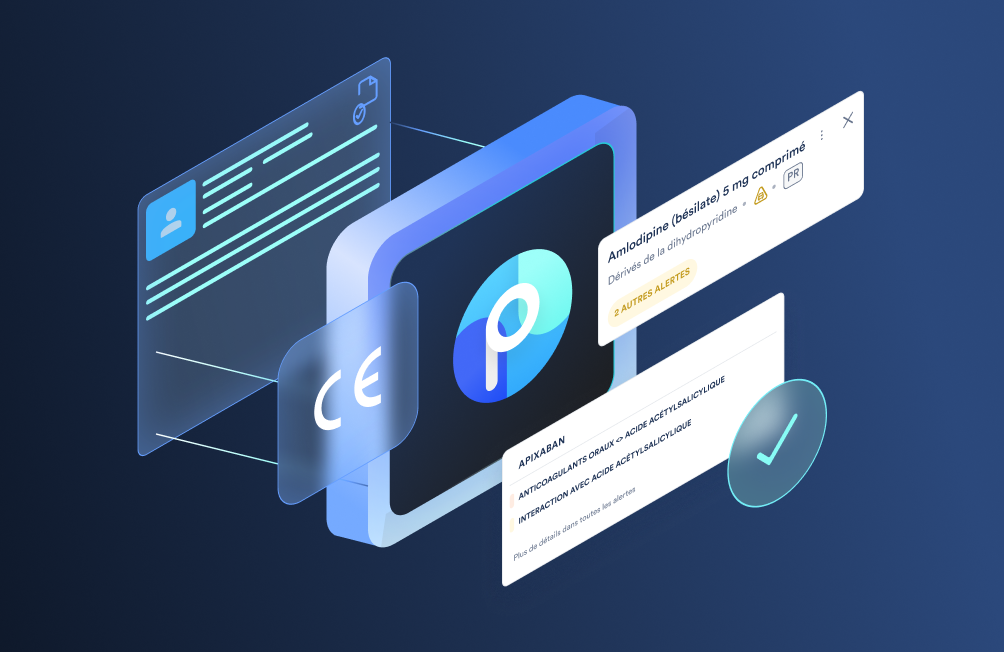
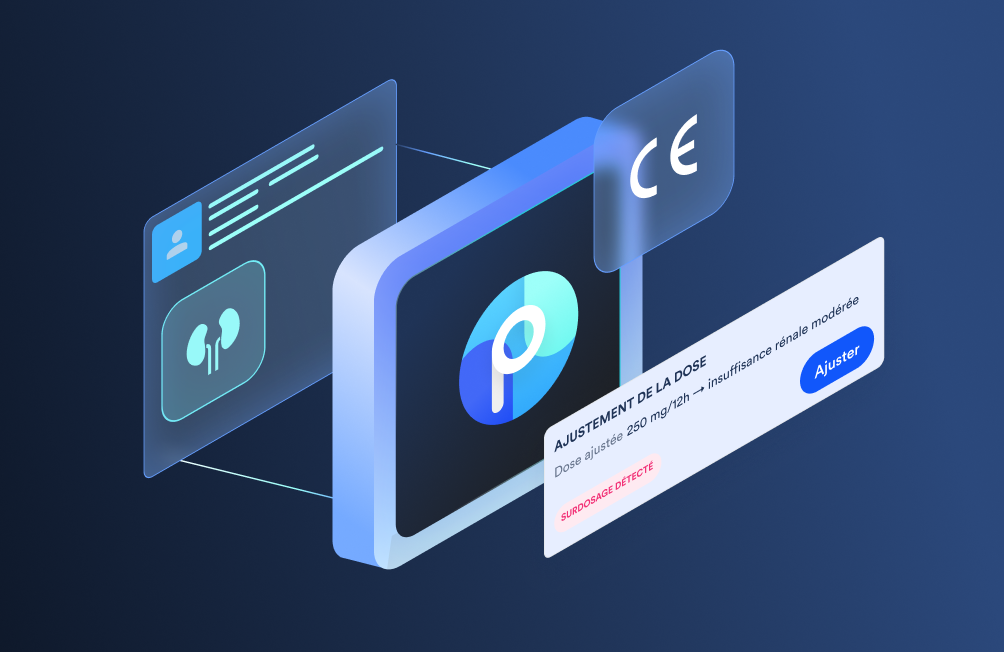
Detected interactions with clinical justifications, recommended dosage adjustments based on renal function, therapeutic alternatives with dose equivalences.
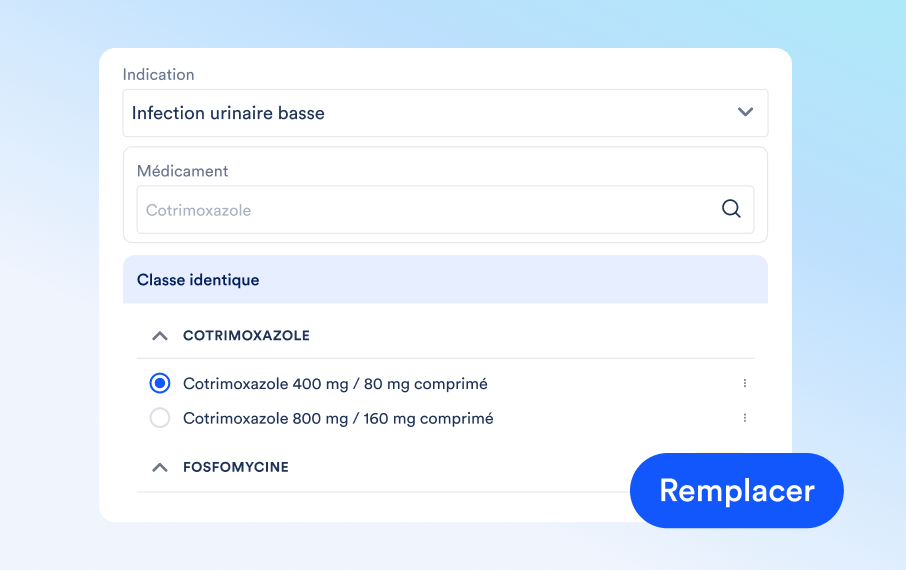
Your agent presents the results clearly. The physician validates, adjusts, or asks for more detail. The final decision is theirs.

"Posos's expertise will enable us to prepare all future AI-enriched clinical decision support—whether LLMs or other tools—for Bow Medical. It's also a modern architecture with APIs marked as Class IIb medical devices, compatible with new AI-assisted prescribing workflows and compliant with the AI Act."

Posos carries the regulatory compliance for the full scope of prescription analysis and suggestion. Your AI agent remains a separate device, subject to your own regulatory obligations (notably under the AI Act), but it does not need to be certified as a medical device for the clinical functions it delegates to the Posos APIs.
You define a protocol (or "enriched system prompt") describing when and how to call each Posos API. Your LLM follows this protocol based on user requests. The APIs return structured results (JSON/GraphQL) that your agent reformulates for the physician.
The anonymized patient profile required for analysis: current treatments, diagnoses, biological parameters (creatinine, weight, age, pregnancy…). No personally identifiable data required. GDPR-compliant architecture with certified health data hosting.
No. Posos does not generate free text or interact with the physician. Your LLM remains the orchestrator of the user experience. Posos provides the certified clinical analysis layer your LLM calls when it needs to verify or suggest a treatment.
Between 2 and 4 weeks depending on your architecture and desired level of customization. Our technical team supports you through implementation and testing.
Posos handles regulatory monitoring and continuously updates its APIs and medication database. Changes are transparent to you. In case of a major change impacting your integration, you are notified in advance.
Yes. The Posos database is fully SNOMED-CT normalized and structured by International Virtual Medications compatible with IDMP. Semantic standardization removes language barriers and enables fast coverage replication to new countries. Posos is already deployed in France, Belgium, and Luxembourg.

